The 13th International Conference on Environmental Management, Engineering, Planning and Economics (CEMEPE 2026), jointly convened with SECOTOX and LIFE–FROSTDEFEND project, took place on 12-16 July in Thessaloniki, Greece. Bringing together a diverse array of stakeholders, such as researchers, environmentalists, policy makers, and the private sector, the conference explored current issues in environment, be that environmental science, engineering, management, our Planet, or the roles of citizens, as well as the digital play in environment (some also call it ‘ICT4Green’).
CEMEPE 2026 provided an excellent platform for dialogue across the environmental science, engineering, planning, SSH, governance, and management communities, fostering collaboration and the exchange of ideas on current environmental challenges and emerging solutions.
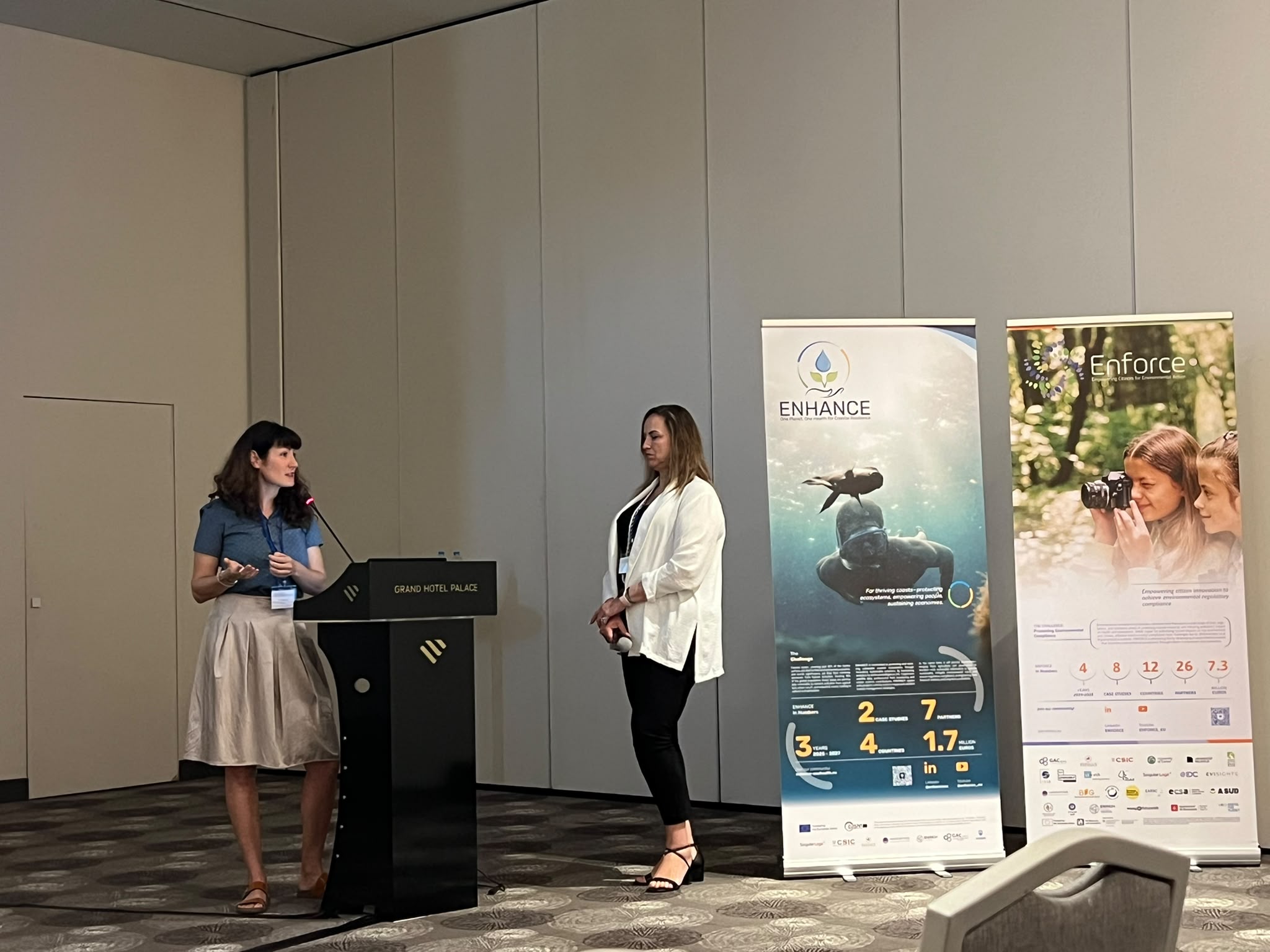
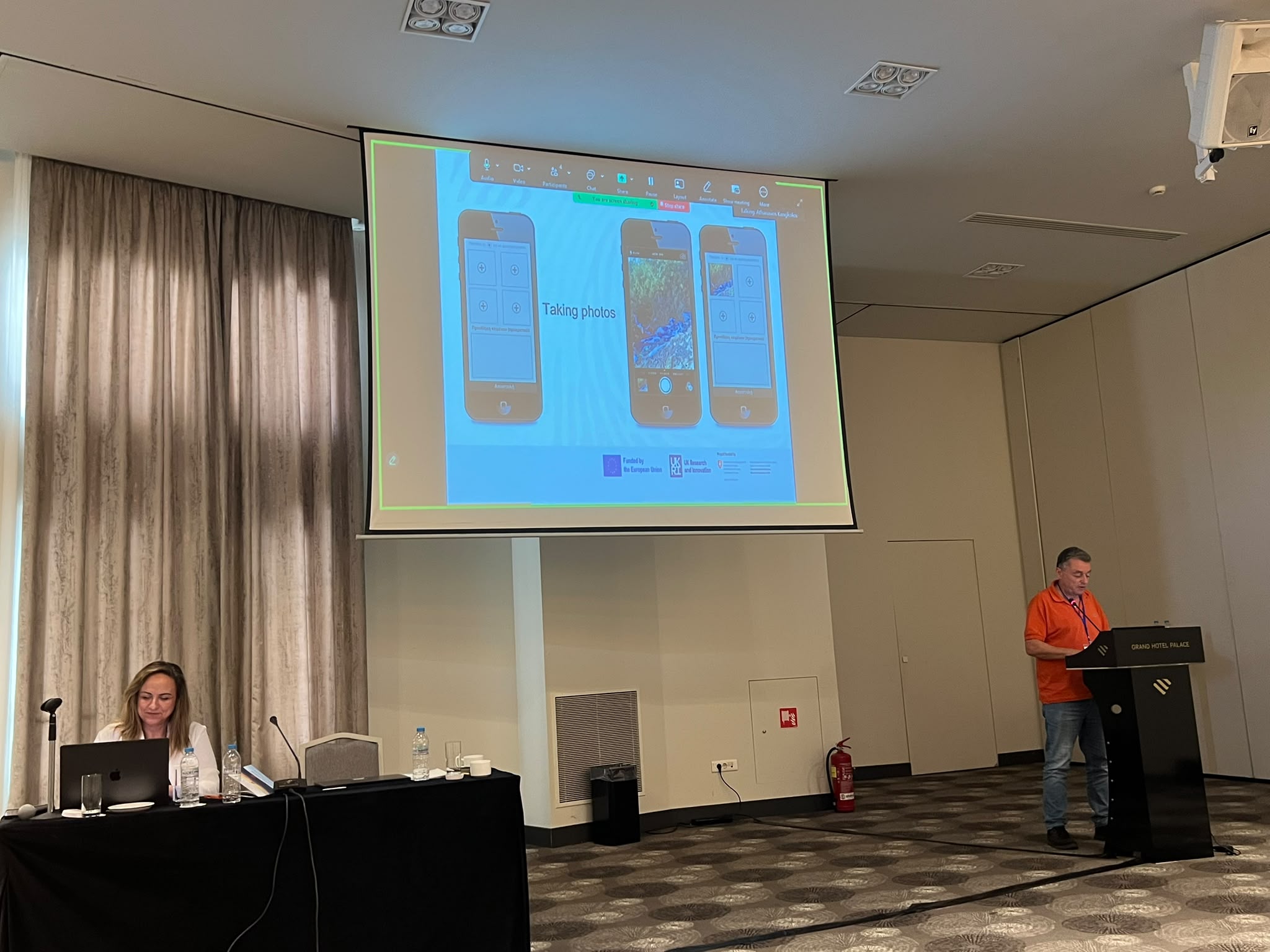
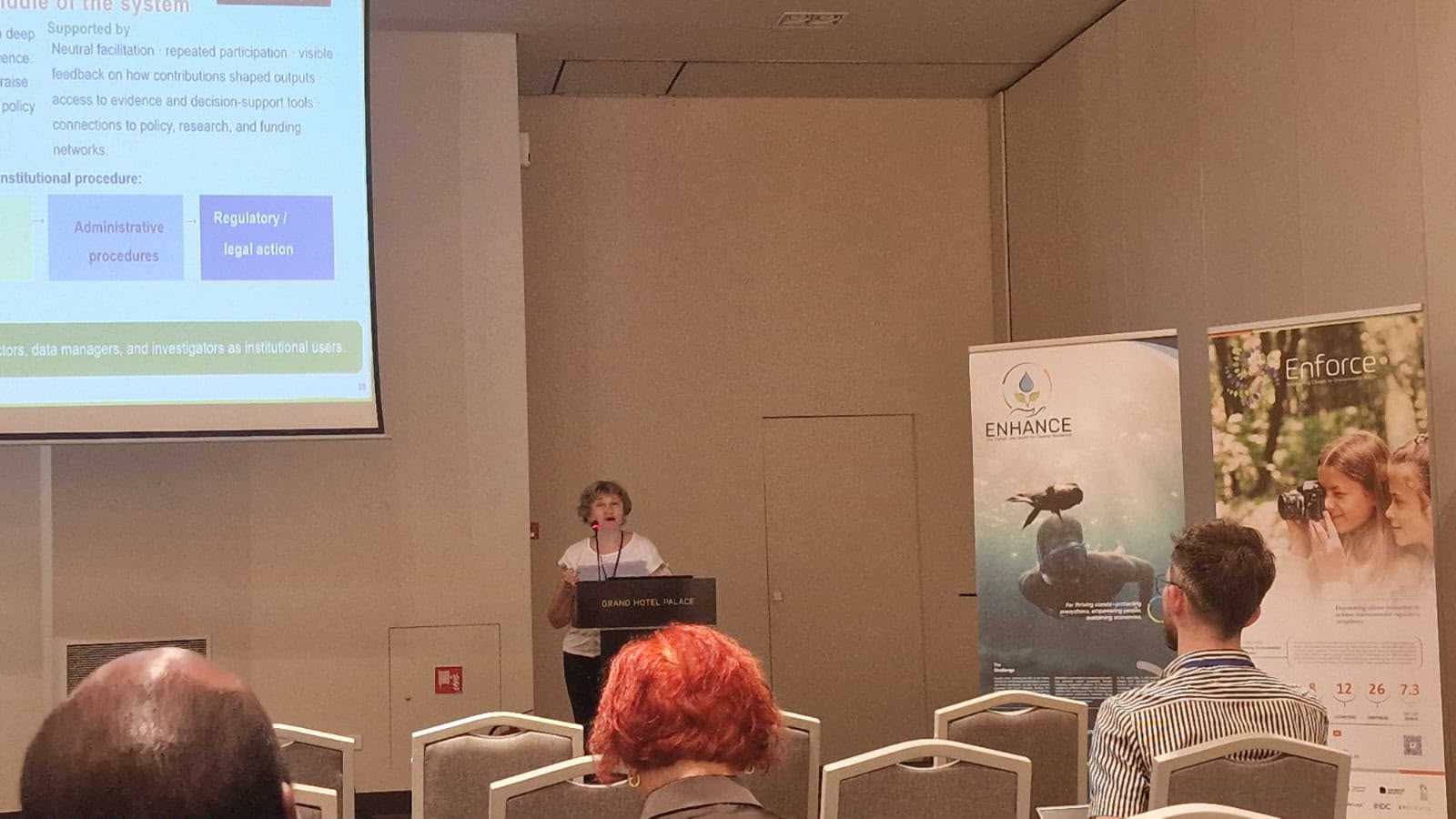
Digital for Planet actively contributed to a special conference session with the ENFORCE project, which took place on 14 July, chaired by Prof. Chrysi Laspidou and Dr. Anna Aseeva.
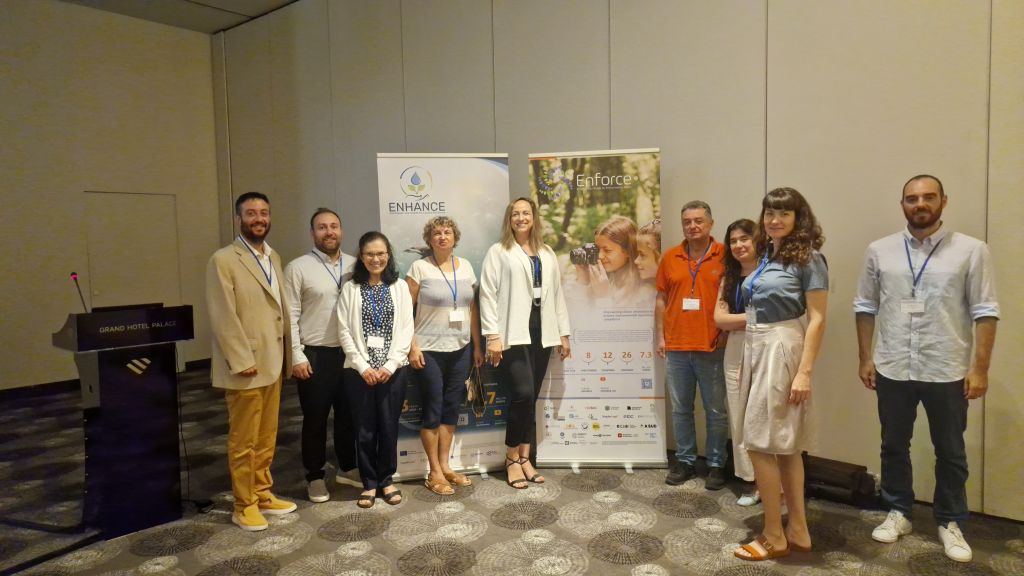
Spotlight on Session ‘Advancing Environmental Compliance through Digital Innovation’
Dr. Anna Aseeva, Policy and Sustainability Expert at Digital for Planet, co-chaired the special session ‘Advancing Environmental Compliance through Digital Innovation’ featuring the work of the ENFORCE project. Anna also presented a case-based study of the evolving direct participation of citizens and stakeholders in environmental litigation.
All presentations of the session covered the following:
- Building the conceptual foundation for environmental compliance innovation: Insights from the ENFORCE project
Tseva, A. Berti Suman, M. Christofakakis, S. Gourgouliani, C. Laspidou - Organising for environmental compliance through multi-stakeholder engagement: from NEXOGENESIS evidence to ENFORCE practice, an organisational design perspective
Klessova, C. Laspidou - The judicialisation of climate change: a case-based study of the evolving direct participation of citizens and stakeholders
Aseeva - Enhancing environmental compliance through the integration of Earth observation and citizen science data
Wiesner, F. Piatto - From compliance objectives to modelling: A reverse-engineered framework for environmental evidence
Kofinas, N. Mellios, G. Tseva, S. Gourgouliani, C. Laspidou - From citizen observations to regulatory evidence: The ENFORCE plaza toolkit for environmental compliance
Monios, A. Papanikolaou, B. Pross, L. See, A. S. Chen, R. Velioglu - Uncovering the drivers of river turbidity: A machine learning approach using Earth observation and citizen science
Gibson, A. S. Chen, L. S. Vamvakeridou-Lyroudia, D. S. Savic, F. Rowney, N. Rogers, A. Martin, I. Watkins - LIFE Themis Application: A tool that is used within the ENFORCE project for collecting and assessing data in the Case Study on land clearing issues in Heraklion, Crete, Greece
Probonas, C. Georgiadis, M. Kantzaridou, K. Baxevani, M. Christofakakis
Digital for Planet’s presentation on environmental litigation, delivered by Dr. Aseeva, provided the following takeaways:
1) The technical burden on generalist judges: generalist judges must now independently evaluate complex scientific data without relying on an agency’s technical expertise. This increases the risk that well-resourced defendants will dominate the courtroom narrative by hiring highly credentialed experts to argue for pollution-permissive standards.
2) The environmental enforcement gap: because regulatory agencies now have less authority to interpret and enforce environmental standards, marginalised and overburdened communities might face a growing enforcement gap. Polluters are often better situated to out-resource community plaintiffs during complex litigation.
3) Citizen Science is an equaliser: citizen science provides a cost-effective way to bridge this resource gap. By gathering credible, localised scientific evidence of environmental harm, communities can provide judges and other legal professionals with a reliable factual foundation that reflects on-the-ground ecological realities rather than the idealised models presented by corporate/state defendants.
Digital for Planet hence provided the following conclusions and recommendations. For technical, sensor-based citizen science data—such as air quality monitoring or soil sampling—courts assess reliability using these legal criteria:
- Quality Assurance Protocols: litigants must demonstrate that the low-cost sensors or sampling kits were properly calibrated, maintained, and deployed according to scientific or regulatory baselines
- Full and thorough documentation of chain of custody: there must be a clear, unbroken record tracking the collection, storage, transport, and analysis of samples to prevent tampering or contamination
- Known error rates: the data must be generated using methodologies with quantifiable error margins that are accepted by the broader scientific community
Overall, the session yielded the following highlights:
- Innovative approaches to and tangible results of environmental compliance through a special conceptual framework of ENFORCE, including foundational understanding of compliance as a governance process: the glossary and conceptual framework to harmonise terminology and inform awareness campaigns.
- Innovative approaches to and tangible results of environmental compliance through organisational design, direct participation of citizens and stakeholders.
- Capacity-building for legal actors (prosecutors, investigators, judges) with the focus on achieving evidence admissibility, often supported by pre-crime risk assessment.
- Deploying citizen science, Earth observation, machine learning, and stakeholder engagement. Developing technical mechanisms, and, crucially, the validation of data quality via the EC-DRL standard.
- Securing long-term impact by consolidating all project outputs into a centralised digital and institutional hub ENFORCE PLAZA, to ensure replication and continuous knowledge exchange across Europe.