


Sustainable Energy Transition
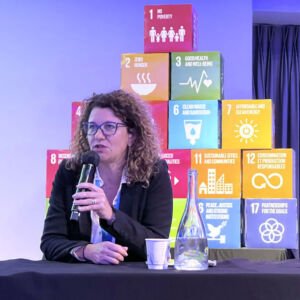
Sustainable Energy Transition refers to the global shift from fossil-based energy systems to more sustainable, resilient, and low-carbon alternatives, aiming to meet climate targets while ensuring energy access and equity. Central to this effort is the United Nations’ Sustainable Development Goal 7 (SDG 7), which calls for affordable, reliable, sustainable, and modern energy for all by 2030.
Reports from the International Energy Agency (IEA) and the Intergovernmental Panel on Climate Change (IPCC) underscore the urgency of reducing greenhouse gas emissions from the energy sector, which remains one of the largest contributors to global emissions. They stress the need for accelerated deployment of renewable energy sources (RES), energy efficiency measures, and technological innovation to achieve net-zero emissions and limit global warming to 1.5°C. This transition is intrinsically linked to the twin transition, where digital and energy transformations reinforce each other.
Digitalisation plays a critical role in managing complex, increasingly decentralised energy systems, enabling smart grids, real-time energy management, and prosumer (producer + consumer) participation. As power generation migrates from centralised fossil fuel plants to Distributed Energy Resources (DER) such as rooftop solar in energy communities and bidirectional electric vehicles, there is a paradigm shift in how energy is produced, distributed, and consumed. These energy communities empower citizens to generate and share energy locally, enhancing resilience, reducing dependency on imports, and supporting the vision of EU energy sovereignty, especially relevant during supply disruptions.
Moreover, a just transition is essential to ensure that no one is left behind. This principle, embedded in the European Green Deal and international climate discourse, highlights the importance of social inclusion, job retraining, and equitable energy access as economies decarbonise. Integrating large volumes of RES into Europe’s ageing grid infrastructure poses technical, regulatory, and economic challenges, yet also offers opportunities for modernisation and innovation. The development of a European common energy market seeks to harmonise energy flows, enhance interconnectivity, and balance supply and demand across borders.
Ensuring that this transformation is sustainable, digital, decentralised, and just will be critical to delivering long-term benefits for both people and the planet.
GREEN CLOUD-EDGE-IoT COMPUTING
Working Group
The Digital for Planet Green Cloud-Edge-IoT Computing Working Group focuses on measuring and improving Cloud-Edge-IoT energy and environmental footprint and identifying major challenges and priorities.
Activities:

Analysing, connecting, and participating in programmes to study and assess the footprint of the Cloud-Edge-IoT continuum.

Scouting, investigating, and proposing architecture, models, and technical solutions to reduce the footprint.
Assessing, discussing, developing, and proposing approaches and guidelines for policy development in the domain of sustainable and energy-efficient ICT.

Discussing, supporting, and promoting initiatives dealing with social, economic, and behavioural aspects of sustainable digital transformation.

Identifying and studying policy-driven and regulatory frameworks for sustainable Cloud-Edge-IoT development and usage, aiming to create liaisons with relevant stakeholders.
Why join the Green Cloud-Edge-IoT Computing Working Group?
- Contribute to shaping a more sustainable Cloud-Edge-IoT continuum at a European level.
- Discuss and develop new proposal ideas and projects to advance environmental sustainability along the entire value chain.
- Accelerate research and innovation priorities of EU policies.
- Get the latest information on the available EU funding opportunities.
- Extend your scientific network and build quality partnerships with experts and stakeholders from key disciplines and initiatives.
- Promote your outcomes, technologies, and know-how.
Who can participate?
Representatives from organisations that are part of the Digital for Planet community eager to pave the way to a sustainable Cloud-Edge-IoT continuum.
Interested in contributing to this Working Group but not a Digital for Planet member yet? Learn how to become a member and get involved!